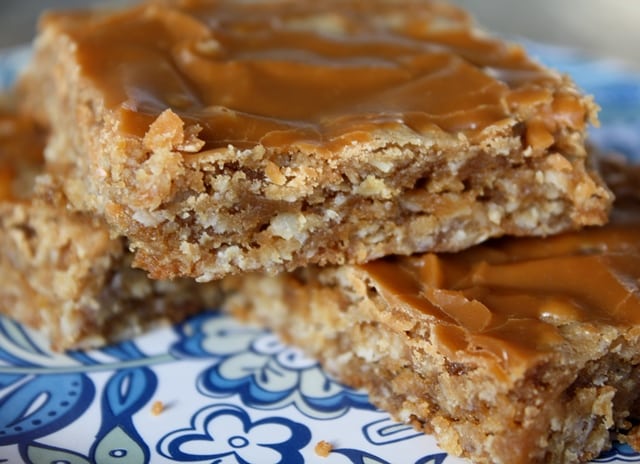
Bake the Ultimate Oatmeal Butterscotch Bars: Chewy Texture & Flavor Tips
There's something uniquely comforting about a dessert that perfectly balances hearty texture with irresistible sweetness. Enter the beloved oatmeal butterscotch bar – a delightful creation that often evokes memories of classic oatmeal Scotchies, but in a convenient, shareable bar form. These bars are a symphony of chewy oats, rich butterscotch chips, and often a decadent drizzle of butterscotch sauce, promising a treat that satisfies on every level. If you're ready to bake a batch that's truly "ultimate," join us as we delve into the secrets behind achieving that perfect chewy texture and an explosion of flavor.
The Essential Ingredients for Perfection
Crafting the ideal batch of
oatmeal butterscotch bars starts with understanding the role each ingredient plays. Every component contributes to the final taste and texture, making thoughtful selection key.
*
Flour: The Foundation of Structure
All-purpose flour provides the necessary structure for your bars, ensuring they hold together beautifully. For those seeking a deeper, nuttier flavor, whole wheat flour can be a fantastic substitute. However, be mindful that whole wheat can result in a denser bar. To counteract this, consider adding a tablespoon or two of extra liquid (like milk or water) if your dough feels too stiff, or slightly reducing the flour quantity by a small margin.
*
Oats: The Heart of the Chew
For that signature hearty, chewy texture, old-fashioned or rolled oats are your best friend. Their larger flakes retain their shape well during baking, contributing significantly to the bar's delightful chew. While quick oats will also work, they tend to make the bars a little less chewy and more uniform. A pro tip for an even richer flavor profile: lightly toast your old-fashioned oats in a dry pan over medium heat for a few minutes before adding them to the dough. This simple step brings out their inherent nuttiness.
*
Butter: The Unsung Hero of Moisture and Richness
Unsalted butter is preferred by many bakers as it gives you complete control over the salt content in your recipe. If you opt for salted butter, remember to slightly reduce the amount of added salt elsewhere. Crucially, ensure your butter is at room temperature. Softened butter creams beautifully with sugar, incorporating air that contributes to a tender crumb and even texture.
*
Sugar: Sweetness, Moisture, and Caramel Notes
Light brown sugar is the star sweetener for these bars. Its fine crystals dissolve readily, providing not only sweetness but also essential moisture and a subtle caramel-like flavor that perfectly complements the butterscotch. While granulated sugar can be used in a pinch, it won't impart the same depth of flavor or moisture, potentially leading to a less tender bar. Always pack your brown sugar firmly into the measuring cup to get the correct amount.
*
Butterscotch Chips: The Signature Flavor
No discussion of
oatmeal butterscotch bars is complete without the chips! They are, quite literally, the namesake. These sweet, caramel-like morsels melt into pockets of pure deliciousness throughout the bars. Feeling adventurous? You can easily swap out butterscotch chips for other favorites like chocolate, white chocolate, or even peanut butter chips to create exciting new flavor profiles.
*
Butterscotch Sauce: The Optional, Yet Irresistible Drizzle
While technically optional, a drizzle of warm butterscotch sauce over the cooled bars takes them from great to absolutely extraordinary. It adds an extra layer of intense butterscotch flavor and a beautiful, glossy finish. If you whip up a batch of homemade butterscotch sauce, you'll likely have leftovers – perfect for topping vanilla ice cream, pancakes, or even coffee.
Mastering the Bake: From Dough to Delicious Bars
The journey from a bowl of ingredients to perfectly baked oatmeal butterscotch bars is a straightforward one, but a few key steps and tips can make all the difference.
First, begin by preheating your oven to 350°F (175°C) and generously greasing a 9x13 inch baking pan with butter. This prevents sticking and ensures easy removal of your bars. In a medium bowl, whisk together your dry ingredients: flour, baking soda, salt, and cinnamon. Cinnamon adds a wonderful warmth that enhances the butterscotch flavor, so don't skip it!
In a large mixing bowl, cream together the softened butter and light brown sugar until the mixture is light and fluffy. This step is vital for incorporating air, which contributes to the bars' tender texture. Next, beat in the eggs and vanilla extract. Use a good quality vanilla; its aromatic presence elevates the overall flavor. Gradually add the dry flour mixture to the wet ingredients, mixing just until combined. Be careful not to overmix, as this can develop the gluten too much, leading to tougher bars. Finally, stir in the old-fashioned oats and butterscotch chips until evenly distributed throughout the dough.
Spread the thick, luscious dough evenly into your prepared baking pan. For an even bake, you can lightly press it down with your hands or the back of a spoon. Bake for 22 to 28 minutes. Keep a close eye on them, especially during the last few minutes. If you notice the edges browning too quickly while the center still seems quite gooey, it's a good idea to lower the oven temperature to 325°F (160°C) for the last 10 minutes or so. The bars are done when the edges are golden brown and the center is set, though it will still be soft. A toothpick inserted into the center might not come out perfectly clean due to the melted chips, but it shouldn't be wet with raw batter. Avoid overbaking, as this will result in dry, crumbly bars rather than the desired chewy texture.
Elevating Your Bars: Flavor & Texture Secrets
While the basic recipe for
oatmeal butterscotch bars is fantastic on its own, there are several ways to add depth and complexity, truly making them "ultimate."
*
Introduce a Nutty Crunch: If you're "feeling nutty," as many bakers are, consider adding about 1/2 cup of chopped nuts to your dough. Walnuts, pecans, or almonds are all delicious choices that provide a lovely textural contrast and a complementary earthy flavor to the sweet butterscotch. Toasting the nuts lightly before adding them can further intensify their flavor.
*
Spice it Up: Don't underestimate the power of spices. Beyond cinnamon, a tiny pinch of freshly grated nutmeg or even a hint of allspice can introduce intriguing warmth and complexity, making the bars feel even more gourmet. These subtle additions elevate the familiar flavor profile without overpowering the star butterscotch.
*
The Power of Salt: A little salt goes a long way in baking. It not only enhances the sweetness of the sugar and butterscotch but also balances the richness, preventing the bars from tasting cloyingly sweet. Don't be tempted to skip the salt!
*
Quality Vanilla: As mentioned, a good quality vanilla extract (or even vanilla bean paste) can make a noticeable difference. Its aromatic notes weave through the butterscotch and oats, creating a more cohesive and luxurious flavor experience.
*
Don't Forget the Drizzle: We've highlighted it already, but it bears repeating: the butterscotch sauce drizzle is a game-changer. It not only boosts the flavor but also adds a professional, appealing look to your homemade treats.
Keep Your Bars Fresh: Storage & Dough Prep Secrets
Ensuring your delicious oatmeal butterscotch bars stay fresh and appealing is almost as important as baking them perfectly. Proper storage techniques will prolong their shelf life and maintain their wonderful texture. If you want to dive deeper into these secrets, check out our guide on
Keep Oatmeal Butterscotch Bars Fresh: Storage & Dough Prep Secrets.
*
At Room Temperature: Once your bars have cooled completely to room temperature (this is crucial to prevent condensation), store them in an airtight container. They will remain wonderfully fresh and chewy for 4-5 days. For best results, separate layers with parchment paper to prevent sticking.
*
Refrigeration: If you prefer to extend their freshness a bit longer, or live in a very warm climate, you can store the bars in an airtight container in the refrigerator. They will last up to a week or so. Allow them to come to room temperature before serving for the best texture and flavor.
*
Freezing for Longer Enjoyment: For even longer storage, oatmeal butterscotch bars freeze beautifully. Once cooled, cut the bars into individual servings. Wrap each bar tightly in plastic wrap, then place them in a freezer-safe airtight container or heavy-duty freezer bag. They can be stored for up to 2-3 months. Thaw them at room temperature for a few hours before enjoying.
*
Dough Preparation in Advance: For ultimate convenience, you can prepare the dough ahead of time. Once mixed, wrap the dough tightly in plastic wrap or store it in an airtight container. It will last in the refrigerator for up to a day or two. When you're ready to bake, let the dough sit at room temperature for 10-15 minutes. This softens it slightly, making it much easier to spread evenly into your baking pan.
Baking the ultimate oatmeal butterscotch bars is a rewarding experience, yielding a treat that's impossible to resist. By paying attention to quality ingredients, mastering the baking process, and exploring clever flavor enhancements, you can create a batch that's perfectly chewy, incredibly flavorful, and sure to be a crowd-pleaser. So go ahead, preheat your oven, gather your ingredients, and prepare to bake a batch of these delectable bars that are truly in a league of their own!